Football is part of the fabric of communities, representing countries, cities, and even local areas. Nostalgia isn’t just a side aspect of football; it’s a core component that defines the very identity of the fanbase.
Those football moments, the last-minute goals, the against-all-odds winners, we never forget them. They’re engraved in the collective memory, a piece of history that binds everyone who was there to witness it.
Why Fans Look Back
Fans build links with the past because, without what came before, clubs don’t have today. Manchester United wouldn’t be the juggernaut without the Busby Babes, and Barcelona’s tiki-taka is nothing without its Johan Cruyff origin story.
Nostalgic callbacks are also inextricably linked with the actual feelings we experienced during the moment itself, whether it was absolute shock, delirious joy, or that excruciating anxiety. Even when we know exactly what’s going to happen when rewatching the YouTube video for the hundredth time, the feelings come flooding back.
They also mark stages in a fan’s life. Being a young fan once more, walking towards the terraces on a Saturday afternoon with your mates, going to your first-ever match with family members who are no longer with us.
Shirts, Colours, and Memory
There’s nothing that says nostalgia like the vintage football shirt. There’s a reason why the classics are so popular, they don’t just hark back to a stylistic era that’s making a comeback (’90s, we’re talking to you), but they also physically bind us to the moments that define a club.
Iconic football shirts are more than the material, a representation of the club through polyester. It’s much, much more than that; you’re both reliving and sharing the era every time you wear that shirt.
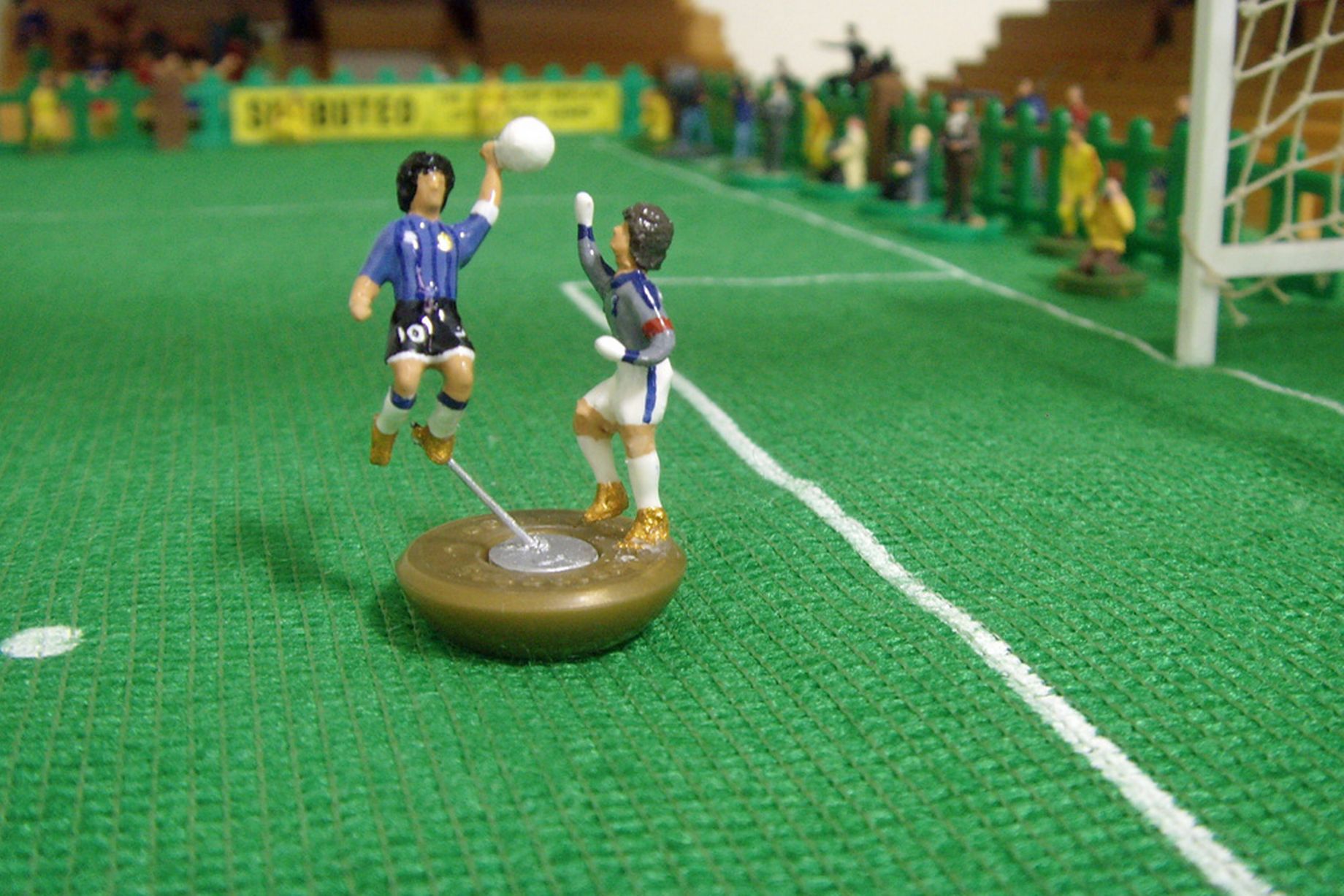
Just seeing someone wearing the Napoli kit from the 80s and football fans will instantly bring images of Maradona running in their minds. And when you see a shirt with Newcastle Brown Ale emblazoned on the front, you can’t help but think of Shearer and his goals.
Modern Revival of the Past
It wasn’t long ago that football nostalgia was built on black and white clips, almost impossible to find, moments often passed along as oral history.
Now, tech has changed how we can relive the past. YouTube channels have built careers for individuals who go through the hard graft of chasing video archives of memorable football history. If you’re English but weren’t born when the Three Lions last won a tournament, you probably still know the phrase, “They think it’s all over, it is now!”
The psychology of nostalgia needs triggers. Easy access to media covering those special moments makes it easy for fans to relive their football history, whether they were there for it live or not.
Clubs now also increasingly see the value of actively building links with the past, with fans enthusiastically responding to reissuing classic kits, tours of the stadium by former players. Like the Arsenal Legends option at the Emirates, for instance.
Players Represent Communities
Football is nothing without the players. They are responsible for those moments of magic, outside of the playbook, reinventing what’s possible on the pitch, doing something that’s entirely beyond imagination.
Nostalgia is partially built on personal connections with our heroes. We tie our experience of a footballing era with the players that defined it, who they were then, that’s us.
Retired greats become heroic figures, their mythology growing every day, removed from their final goal. Local players who make it have an even greater impact, representing the very communities they call home.
Stevie G, for example, Gerrard. The player who managed to rise through the ranks at his boyhood club, never leaving, despite offers of big money from Chelsea and Real Madrid. That night in Istanbul, the 2005 Champions League Final, scousers still feel like they were on the pitch that day.
Football Nostalgia is Human
Finally, there’s another driver of football nostalgia, and it has nothing to do with the sport: us. We are hardwired for nostalgia, to crave the good old days, especially when the club we support are, well, terrible.
For Manchester United fans, the shirt worn by the treble-winning team has become iconic. Leicester City fans will probably have to wait a while before having a Premier League-winning shirt, and we’re pretty sure Greek fans are still wearing their 2004 vintage.